

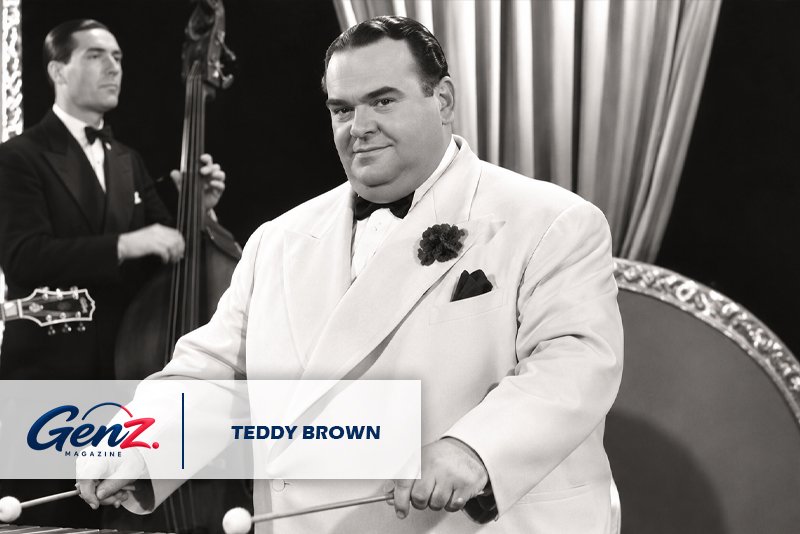
Teddy Brown was an American musician and entertainer who became known for his extraordinary talent as a xylophone player during the early twentieth century. Born Abraham Himmelbrand, he developed a successful career through musical performances that combined technical skill, rhythm, and an engaging stage presence. His ability to entertain audiences made him a recognizable figure in the British variety entertainment scene, particularly during the 1920s, 1930s, and 1940s.
Although his career belonged to an earlier generation of entertainers, Brown’s contributions to music remain an interesting part of entertainment history. He performed at a time when live variety shows, orchestras, and music halls played an important role in popular culture. His distinctive playing style helped bring greater attention to the xylophone as a performance instrument. His life, family, career achievements, and lasting legacy offer insight into the world of music before television became a major source of entertainment.
Teddy Brown Profile Overview
| Personal Details | Information |
|---|---|
| Full Name | Abraham Himmelbrand |
| Professional Name | Teddy Brown |
| Date of Birth | May 25, 1900 |
| Birthplace | New York City, United States |
| Nationality | American |
| Profession | Xylophonist and Entertainer |
| Known For | Xylophone Performances |
| Primary Career Location | United Kingdom |
| Music Genre | Popular Music and Variety Entertainment |
| Career Period | Early Twentieth Century |
| Wife | Sophie Inselberg |
| Date of Death | April 30, 1946 |
| Age at Death | 45 Years |
| Place of Death | London, England |
| Legacy | Influential Variety-Era Xylophone Performer |
Who Was Teddy Brown?
Teddy Brown was an American-born xylophonist and entertainer who achieved recognition in Britain through his live musical performances. He was born Abraham Himmelbrand on May 25, 1900, in New York City, United States. He became particularly well known for his impressive xylophone performances, which featured fast-paced playing and lively musical arrangements. His physical presence and energetic entertainment style helped distinguish him from other instrumental performers of his generation.
Throughout his career, Brown appeared in British music halls, theaters, and variety productions. His performances attracted audiences who appreciated both his musical ability and his entertaining personality. During an era when live entertainment was central to popular culture, he established himself as a distinctive instrumental performer. Although he died at a relatively young age, his musical career left a recognizable mark on the history of British variety entertainment.
Teddy Brown Early Life and Childhood
Teddy Brown was born in New York City on May 25, 1900, under the name Abraham Himmelbrand. He grew up during a period when American popular music was undergoing important changes. Ragtime, vaudeville, and other forms of live entertainment were gaining popularity, creating opportunities for musicians with distinctive abilities. These musical traditions formed part of the entertainment environment surrounding performers of his generation.
Brown eventually developed a strong connection with the xylophone, an instrument known for its bright sound and demanding playing technique. Performing complicated melodies on the instrument required coordination, timing, and considerable practice. His later success demonstrated his command of these skills. Although detailed accounts of his childhood and formal education are limited, his professional achievements show that he developed considerable musical ability before establishing his reputation in Britain.
Teddy Brown Age and Birthday
Teddy Brown was born on May 25, 1900, and died on April 30, 1946, at the age of 45. His life unfolded during a period of major developments in recorded music, radio broadcasting, and live entertainment. Musicians of his generation witnessed changes in how audiences discovered and enjoyed popular performances, with recordings and broadcasting gradually reaching more households.
Despite his relatively short life, Brown established a career that extended across several decades of entertainment history. His performances became associated with the British variety scene, where musicians could develop strong public recognition through theater appearances and touring productions. His death shortly before his 46th birthday brought an end to a career remembered for musical precision, showmanship, and his unusual prominence as a xylophone performer.
Teddy Brown Family and Parents
Teddy Brown was born into the Himmelbrand family in New York City. His original name, Abraham Himmelbrand, reflected the identity he used before adopting the professional name by which audiences came to recognize him. Like many performers working in music halls and variety entertainment, he used a shorter stage name that was easier for audiences to remember. His professional identity eventually became more widely recognized than his birth name.
Brown’s public biography is primarily documented through his musical career rather than extensive accounts of his relatives. Historical descriptions focus on his performances, recordings, and contributions to entertainment. Consequently, his family background is less extensively covered than his professional accomplishments. His personal history remains connected to his American origins and the successful career he later developed in British entertainment.
Teddy Brown Wife and Married Life
Teddy Brown was married to Sophie Inselberg. His marriage was part of his personal life during a period when he was developing his reputation as a professional entertainer. Although his performances attracted public attention, historical accounts provide fewer details about his domestic life than they do about his musical activities. His wife’s name remains one of the documented details associated with his personal biography.
During Brown’s lifetime, entertainers often spent considerable time traveling between theaters and performance venues. Professional musicians working in variety entertainment regularly appeared in different cities, making touring an important part of their careers. Brown’s work in the British entertainment industry took place within this environment. While his marriage forms part of his life story, his surviving public reputation is centered mainly on the musical performances that made him famous.
Teddy Brown Music Career and Rise to Fame
Teddy Brown developed his reputation through his remarkable ability to play the xylophone. Unlike instruments commonly associated with popular singers and dance bands, the xylophone required a different form of musical presentation. Brown turned it into the centerpiece of his performances, using speed, rhythm, and technical precision to entertain audiences. His lively stage appearances helped transform an instrumental performance into a popular variety act.
His success became particularly associated with Britain, where music halls and variety theaters provided important opportunities for professional entertainers. Brown performed during a period when audiences regularly attended live shows featuring comedians, singers, dancers, and instrumental specialists. His appearances allowed him to reach people who appreciated unusual musical talents. Through consistent performances, he became one of the recognizable xylophone entertainers of his era.
Teddy Brown and British Variety Entertainment
British variety entertainment played a central role in Teddy Brown’s professional life. During the early twentieth century, theaters presented programs featuring several performers rather than a single continuous production. These shows often included musical acts, comedy routines, dancing, and theatrical entertainment. Performers needed to capture an audience’s attention quickly, making distinctive presentation and technical skill particularly valuable.
Brown’s xylophone performances suited this entertainment format because the instrument could produce bright melodies and rapid musical passages. His stage presence contributed to the appeal of his act, helping audiences enjoy both the music and the performance itself. His career reflected the importance of instrumental entertainers in the variety tradition. Before television became widespread, performers like Brown helped make live theater an important part of everyday entertainment.
Teddy Brown Musical Style and Special Skills
Teddy Brown became recognized for his energetic approach to playing the xylophone. The instrument consists of wooden bars arranged according to musical pitch and played using mallets. Producing fast melodies requires accurate movement, rhythmic control, and coordination. Brown developed these abilities into an entertaining musical act that appealed to audiences looking for performances beyond traditional singing or orchestral presentations.
His musical style emphasized lively arrangements and impressive instrumental technique. During the variety era, musicians frequently needed to combine entertainment value with technical ability, and Brown’s performances reflected that combination. Rather than treating the xylophone as a background instrument, he placed it at the center of his work. His career demonstrated how a skilled instrumentalist could develop a distinctive professional identity through a specialized musical talent.
Teddy Brown Personal Life and Lifestyle
Teddy Brown lived much of his professional life within the entertainment world of early twentieth-century Britain. His career involved theater appearances and musical performances during an era when musicians depended heavily on live audiences. Working entertainers often traveled between venues, rehearsed regularly, and adapted their performances to different programs. These professional demands shaped the environment in which Brown established his career.
His public identity was closely connected to his music and stage personality. Unlike modern celebrities, whose daily activities are frequently documented through social media, performers of Brown’s generation were primarily known through newspaper coverage, publicity photographs, performances, and recordings. As a result, historical information about his personal routines is comparatively limited. His documented lifestyle is best understood through his long involvement in professional music and variety entertainment.
Teddy Brown Net Worth and Earnings
Teddy Brown earned his living as a professional musician and entertainer during the first half of the twentieth century. His musical career involved live performances and participation in the popular entertainment industry. During this period, established performers could generate income through theater engagements, touring arrangements, and recordings. The amount an individual entertainer earned depended on professional contracts, reputation, and the availability of performance opportunities.
Modern financial estimates are difficult to apply accurately to historical performers because reliable personal financial records are often unavailable. Brown’s success is better understood through his established reputation and continued presence in British variety entertainment. His professional achievements demonstrate that he built a career around his musical abilities, although surviving public information does not provide a reliable basis for calculating his personal fortune.
Teddy Brown Final Years and Death
Teddy Brown died on April 30, 1946, in London, England, at the age of 45. His death came shortly after the end of the Second World War, a period that had significantly affected entertainment industries across Europe. The war had brought challenges for theaters, performers, and touring productions. Despite these changes, the traditions of music hall and variety entertainment continued to influence British popular culture.
His passing marked the end of a career built around instrumental performance and public entertainment. Brown belonged to a generation of musicians who achieved recognition before modern television and digital media transformed the entertainment industry. Although many of his contemporaries are less familiar to younger audiences, historical accounts of variety music continue to preserve his name. His performances remain an example of the technical ability and showmanship associated with the period.
Teddy Brown Legacy and Contributions to Music
Teddy Brown’s legacy rests on his ability to make the xylophone an appealing centerpiece of popular entertainment. His performances demonstrated that an instrumental musician could attract audiences through technical skill, personality, and creative presentation. At a time when variety programs featured many competing acts, his distinctive musical specialty helped him establish a recognizable identity.
His career also reflects the importance of music halls and theater performances in the development of modern entertainment. Performers like Brown contributed to a tradition in which musicians combined artistry with direct audience engagement. Although recording technology and audience preferences have changed considerably since his lifetime, his place in variety entertainment history remains connected to his memorable xylophone performances and contribution to instrumental showmanship.
Final Thoughts
Teddy Brown was an American-born musician whose career became closely associated with British variety entertainment. Born Abraham Himmelbrand in 1900, he developed a reputation for energetic xylophone performances and professional showmanship. His life included international career development, marriage, and years of work in the entertainment industry before his death in London in 1946.
His story offers a look at an era when live instrumental entertainment held an important place in popular culture. While his personal life is less extensively documented than his career, his musical accomplishments remain the defining feature of his biography. Teddy Brown is remembered as a talented performer who helped demonstrate the entertainment possibilities of the xylophone.
Read More: Nini Coco: From Mechanical Engineer to Drag Race Star
FAQs
Who was Teddy Brown?
Teddy Brown was an American-born xylophonist and entertainer best known for his performances in British variety theaters during the early twentieth century.
When was Teddy Brown born?
He was born on May 25, 1900, in New York City, United States. His birth name was Abraham Himmelbrand.
Who was Teddy Brown’s wife?
Teddy Brown was married to Sophie Inselberg. His personal life received less public documentation than his professional music career.
How old was Teddy Brown when he died?
Teddy Brown died on April 30, 1946, at the age of 45. He passed away in London, England.
What was Teddy Brown famous for?
He was famous for his energetic xylophone performances and his work as an instrumental entertainer in the British music hall and variety theater scene.